


10 Ways to Prepare Your Garden for Spring Growth
- Alfredo Bonilla Castaneda

- Mar 30
- 3 min read
Spring is just around the corner, and it’s the perfect time to get your garden ready for a season of growth and beauty. Preparing your garden now can help you avoid common problems later and ensure your plants thrive. Whether you have a small backyard or a large vegetable patch, these ten practical steps will set you up for success.
Clear Away Winter Debris
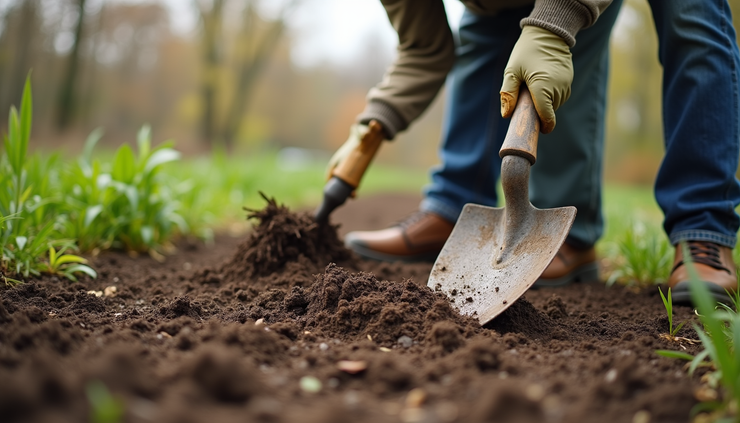
Start by removing dead leaves, branches, and any leftover plant material from last year. This cleanup helps prevent pests and diseases from lingering in your garden. Use gloves and a rake to gather debris, then compost or dispose of it properly. Clearing the beds also gives you a fresh canvas to work with.
Test and Improve Your Soil
Healthy soil is the foundation of a thriving garden. Conduct a soil test to check pH levels and nutrient content. Many local extension services offer affordable testing kits. Based on the results, add amendments like lime to raise pH or sulfur to lower it. Incorporate organic matter such as compost or well-rotted manure to improve soil texture and fertility.
Prune Trees and Shrubs
Late winter or early spring is the best time to prune many trees and shrubs before new growth begins. Remove dead or damaged branches to encourage healthy development. For flowering shrubs, prune after they bloom to avoid cutting off buds. Proper pruning improves air circulation and light penetration, reducing disease risk.
Plan Your Garden Layout
Take time to plan where you want to plant flowers, vegetables, and herbs. Consider sunlight, soil type, and plant spacing. Group plants with similar water and nutrient needs together. Planning ahead helps you make the most of your space and ensures each plant gets the care it needs.
Prepare Garden Beds
Loosen compacted soil by tilling or digging to a depth of 8 to 12 inches. This improves root penetration and drainage. Remove weeds and roots that compete with your plants. Add a layer of compost or organic mulch to enrich the soil and retain moisture. Raised beds can be refreshed with new soil or amendments if needed.
Start Seeds Indoors
Many plants benefit from an early start indoors. Begin seeds for tomatoes, peppers, and herbs about 6 to 8 weeks before the last frost date in your area. Use seed trays or small pots with quality seed-starting mix. Keep them in a warm, well-lit spot and water carefully. Starting seeds indoors gives you a head start on the growing season.
Check and Repair Garden Tools
Well-maintained tools make gardening easier and more enjoyable. Sharpen blades on pruners, shears, and hoes. Oil moving parts to prevent rust and ensure smooth operation. Replace broken handles or worn-out tools. Having everything ready saves time and effort when planting season arrives.
Set Up Irrigation Systems
Plan how you will water your garden efficiently. Check existing irrigation systems for leaks or clogs. Consider installing drip irrigation or soaker hoses to deliver water directly to plant roots, reducing waste. Setting up irrigation early helps you maintain consistent moisture levels, which is crucial for healthy growth.
Add Supports for Climbing Plants
If you plan to grow peas, beans, cucumbers, or flowering vines, install trellises, stakes, or cages now. Setting up supports before plants start growing prevents damage to roots and stems. It also keeps plants organized and improves air circulation, reducing disease risk.
Mulch to Protect and Nourish
Apply a layer of mulch around your plants and garden beds. Mulch helps regulate soil temperature, retain moisture, and suppress weeds. Organic mulches like straw, wood chips, or shredded leaves also break down over time, adding nutrients to the soil. Refresh mulch layers as needed throughout the season.

Comments